Pond Filters: The Key to Clear Water and a Healthy Pond
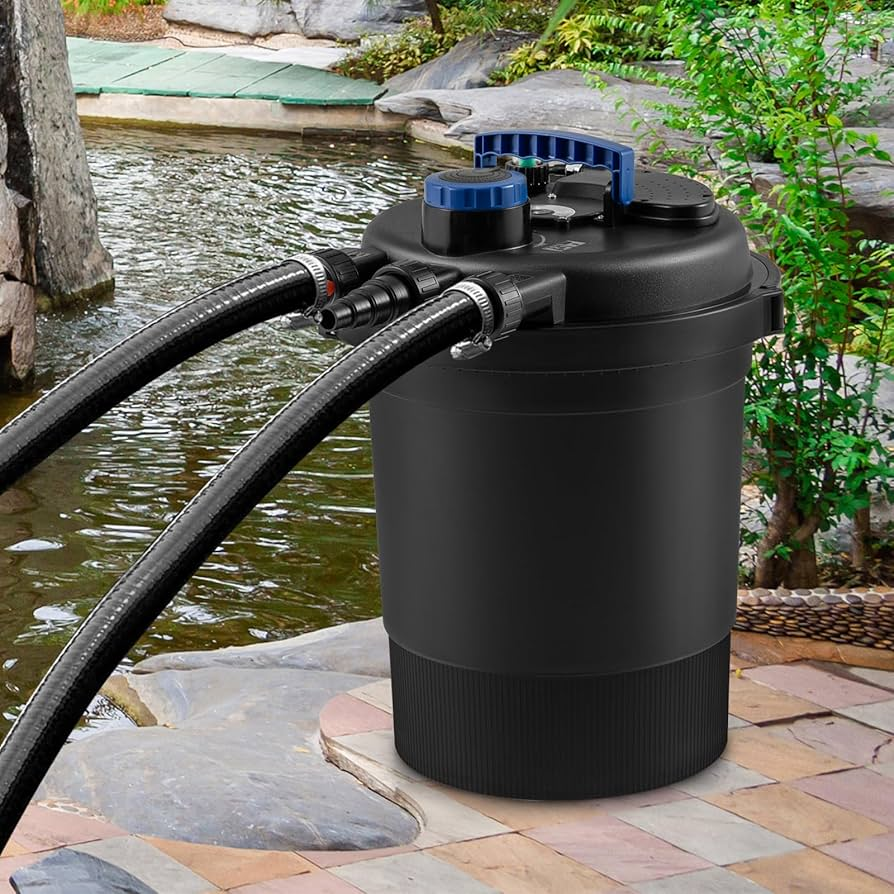
A beautiful pond doesn’t happen by accident. Crystal-clear water, healthy fish, and balanced ecosystems all depend on one critical component — pond filter. Without proper filtration, even the most carefully designed pond can quickly turn cloudy, green, and unhealthy.
If you’ve ever struggled with murky water or algae blooms, chances are your filtration system wasn’t doing enough heavy lifting. Think of a pond filter as the cleaning system working quietly in the background. It removes waste, breaks down harmful toxins, and keeps everything in balance.
Whether you own a small ornamental pond or a large koi setup, understanding how pond filters work — and choosing the right one — is essential for long-term success.
What Is a Pond Filter?
A pond filter is a system designed to clean and purify pond water. It removes debris, fish waste, and harmful substances that naturally accumulate in any pond.
Unlike a swimming pool, you can’t simply add chlorine to fix problems. Ponds are living ecosystems. Fish produce waste, leaves fall in, and algae grow. A filter keeps everything under control by working in two main ways:
- Removing solid waste
- Supporting beneficial bacteria that break down toxins
Without a filter, harmful substances like ammonia and nitrite would quickly build up, putting fish at risk.
Why Pond Filters Are Essential
Many new pond owners underestimate the importance of proper filtration. But here’s the truth — filtration isn’t optional if you want clear water and healthy fish.
Pond filters:
- Maintain water clarity
- Remove fish waste and debris
- Break down ammonia and nitrite
- Reduce algae growth
- Support beneficial bacteria
- Improve overall water quality
In short, a good filter creates a stable and balanced environment where fish and plants can thrive.
How Pond Filters Work
Pond filters typically use two main processes: mechanical filtration and biological filtration.
Mechanical Filtration
This stage removes physical debris such as:
- Leaves
- Fish waste
- Uneaten food
- Algae clumps
Sponges, foam pads, or filter brushes trap these particles as water passes through.
Biological Filtration
This is where the magic happens.
Beneficial bacteria colonise filter media and break down harmful toxins like:
- Ammonia (from fish waste)
- Nitrite (toxic intermediate compound)
These bacteria convert toxins into nitrate, which is far less harmful and can be absorbed by plants.
Both stages work together to keep the pond ecosystem balanced.
Types of Pond Filters
There are several types of pond filters available, and the right one depends on your pond size and fish load.
1. Pressure Filters
Pressure filters are compact, sealed units that can be buried out of sight.
Advantages:
- Space-saving design
- Easy installation
- Often include built-in UV clarifiers
- Good for small to medium ponds
They’re ideal for decorative garden ponds where appearance matters.
2. Gravity (Flow-Through) Filters
Water flows through these filters using gravity before returning to the pond.
Advantages:
- Higher capacity
- Ideal for larger ponds
- Excellent for koi ponds
They typically handle more water and waste than pressure filters.
3. Box Filters
Simple and affordable, box filters sit above ground and allow water to flow through layered filter media.
Best suited for small ponds with light fish loads.
4. Drum Filters
Advanced mechanical filters often used in serious koi setups.
Advantages:
- Automatic cleaning
- High efficiency
- Ideal for heavily stocked ponds
They represent a premium filtration solution.
Choosing the Right Pond Filter
Picking the correct filter isn’t just about pond size — several factors matter.
Pond Volume
Choose a filter rated for your pond’s total water capacity. If in doubt, go slightly larger.
Fish Population
More fish equals more waste. Koi ponds require stronger filtration systems.
Sunlight Exposure
Sunny ponds may need UV clarifiers integrated into the filter system.
Pump Compatibility
Your pump and filter must work together. The flow rate should match the filter’s recommended capacity.
Undersized filtration is one of the most common mistakes pond owners make.
The Role of UV Clarifiers in Filtration
While filters remove solid waste and toxins, UV clarifiers handle microscopic floating algae that cause green water.
Many modern pond filters include built-in UV units, combining mechanical, biological, and UV filtration into one system.
This integrated approach delivers clearer water and simplified maintenance.
How Often Should You Clean a Pond Filter?
Cleaning frequency depends on pond size and fish load.
General guidelines:
- Check mechanical media every 2–4 weeks
- Rinse sponges using pond water (not tap water)
- Avoid over-cleaning biological media
- Replace UV bulbs annually
Over-cleaning can remove beneficial bacteria, so balance is important.
Common Pond Filter Problems
Even good filters can face issues.
Clogging
Too much debris can block water flow. Regular cleaning prevents this.
Poor Water Clarity
May indicate undersized filtration or excessive fish waste.
Algae Growth
Often requires a UV clarifier in addition to filtration.
Weak Pump Flow
If water isn’t circulating properly, filtration efficiency drops.
Identifying the root cause helps restore balance quickly.
Benefits of Investing in Quality Pond Filters
A high-quality filter offers:
- Better water clarity
- Healthier fish
- Reduced maintenance
- Longer equipment lifespan
- Improved ecosystem stability
While budget filters may seem attractive, investing in reliable equipment pays off long-term.
Signs Your Pond Needs Better Filtration
Watch for these warning signs:
- Persistent cloudy water
- Strong odours
- Fish gasping at the surface
- Frequent algae blooms
- Sludge buildup
If these problems continue despite maintenance, upgrading your filter may be necessary.
Pond Filters for Koi Ponds
Koi produce significant waste, which means koi ponds require heavy-duty filtration.
High-capacity biological media, strong mechanical filtration, and proper aeration are essential.
For koi keepers, filtration is not just recommended — it’s critical.
Conclusion
Pond filters are the backbone of a healthy pond. They remove debris, support beneficial bacteria, and maintain clear, balanced water. Without proper filtration, ponds quickly become unstable and difficult to manage.
Whether you own a small ornamental pond or a large koi setup, choosing the right filter ensures your water stays clean and your fish stay healthy. Think of it as investing in the long-term success of your pond ecosystem.
Clear water isn’t luck — it’s filtration done right.
FAQs About Pond Filters
1. Do all ponds need a filter?
Yes, especially if fish are present. Filters maintain water quality and clarity.
2. How do I know if my filter is big enough?
Check if it’s rated for your pond volume and fish load. When in doubt, choose a larger capacity.
3. Can I turn my filter off at night?
No, filtration systems should run continuously to maintain beneficial bacteria.
4. How long does a pond filter last?
With proper maintenance, quality filters can last many years.5. Should I clean my filter with tap water?
No, tap water can kill beneficial bacteria. Always rinse using pond water.