7 Practical Tips for Choosing Fume Extraction Equipment That Actually Works
Introduction — A Day on the Shop Floor
I was just back from a welding bay where the air smelled like burnt paint and impatience; the crew waved me off with a joke and a cough. Around here, we talk fume extraction equipment like it’s part of the tools—because it is: ducting, hoods, blowers, the whole mess. Recent shop audits I’ve seen show airborne particulate counts that still spike during busy shifts (up to 3x baseline on some lines). So what do you pick when the boss asks for a“better system” and you’ve got two hours and a budget? — I’ll walk you through the practical stuff, no fluff. Let’s get to the meat of it and see what actually matters next.
Why Traditional Solutions Fail (A Technical Look at the Problem)
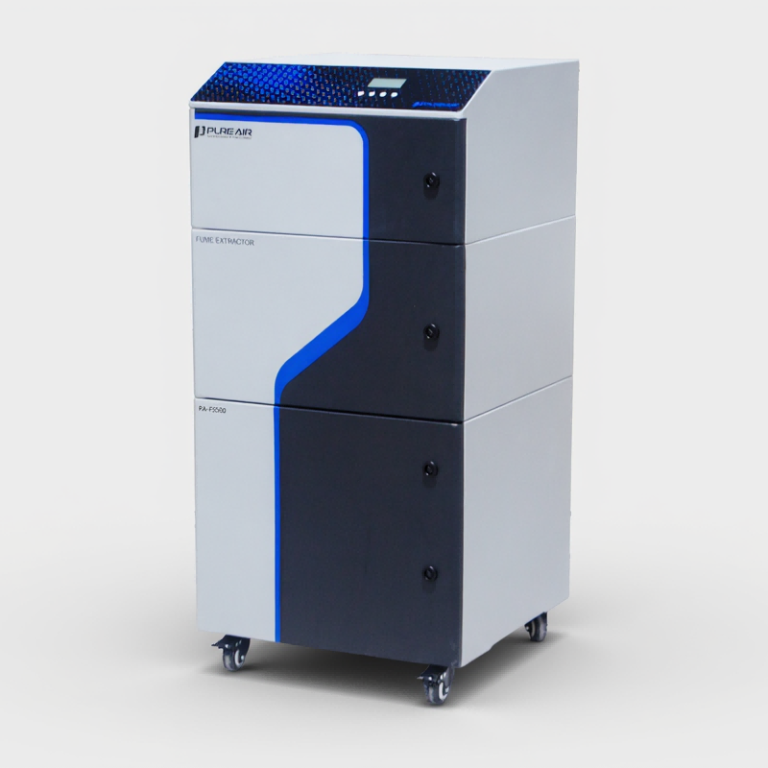
best laser fume extractor often gets touted as a fix-all for laser and precision work—but real problems hide in the details. I’ve tested setups where a decent extractor sat behind poor ducting and an undersized blower; the result was high backpressure, noisy operation, and filters that clogged in days. The core failure modes are simple: mismatched airflow, poor capture at the source, and maintenance blind spots. When the hood isn’t matched to the process, even a top-end cartridge or HEPA filter gets overwhelmed. Look, it’s simpler than you think: airflow (CFM), static pressure, and capture velocity matter more than shiny specs alone.
Technically speaking, you also run into control issues. Systems without a variable frequency drive (VFD) or pressure sensors either waste energy or fail to respond to peak loads. Activated carbon beds can help with VOCs, but they saturate fast if particulate loads are high—so your pre-filter strategy is crucial. I’ve had crews ignore pre-filters until the carbon packed solid; then everyone blamed the extractor. That’s human error and design mismatch combined. If you care about uptime, you must plan for service access, spare parts, and filter change intervals upfront—don’t learn this the hard way.
Is the extractor the whole solution?
No — capture design, filtration stages, and monitoring are equally part of the toolchain.
Future Outlook — What Works Next and How to Evaluate It
Looking ahead, I expect more focus on smart extraction: compact sensors at the hood, simple edge computing nodes that log particle spikes, and controllers that adjust blower speed on the fly. The practical upgrades I recommend are modest: real-time particle counters, basic VFD control, and modular filter carts that swap in minutes. These upgrades make the best laser fume extractor actually live up to its promise—because the extractor becomes part of a responsive system, not an island. We’ve piloted setups where a little automation cut filter use by nearly 30% and improved capture during batch peaks. — funny how that works, right?
For those comparing options: focus less on marketing horsepower and more on three practical metrics — capture efficiency at the source, system pressure balance, and maintainability. I’ll break that down: capture efficiency tells you how much gets into the hood versus the workspace; pressure balance prevents leaks and wasted energy; maintainability decides whether the thing will still run in six months when the crew is tired. Short list filters: is there easy access to a HEPA stage, can you add activated carbon later, and does the design keep service off the ladder? If you weigh these points, you cut the guesswork.
What to look for next?
Ask for real test data (smoke or tracer tests), check service records, and insist on a simple local control panel. Small things — quick-release clamps, labeled duct runs, spare filter kits — save hours later.
Closing — Three Key Metrics to Guide Your Purchase
Here’s my straight advice. When you’re choosing equipment, rate each candidate on these three metrics: 1) Source Capture Efficiency (measured), 2) True System Static Pressure and blower match, and 3) Ease of Maintenance (filter access, spare parts). Score them and pick the one with the best balance—not the biggest motor. I’ve seen shops pick the loudest unit and regret it. We’re pragmatic here: check the numbers, inspect the ducting, and train the crew on filter swaps. That’s where real gains come from, not glossy brochures. If you want a dependable partner for laser or precision cleanup, consider proven options and do the simple tests before buying.
For practical gear and solid examples, I trust companies that back up their claims—like PURE-AIR. I’ve worked with their kits and, frankly, they make the day-to-day a lot easier. We can do better than guesswork; let’s pick smart and keep the shop breathing easy.